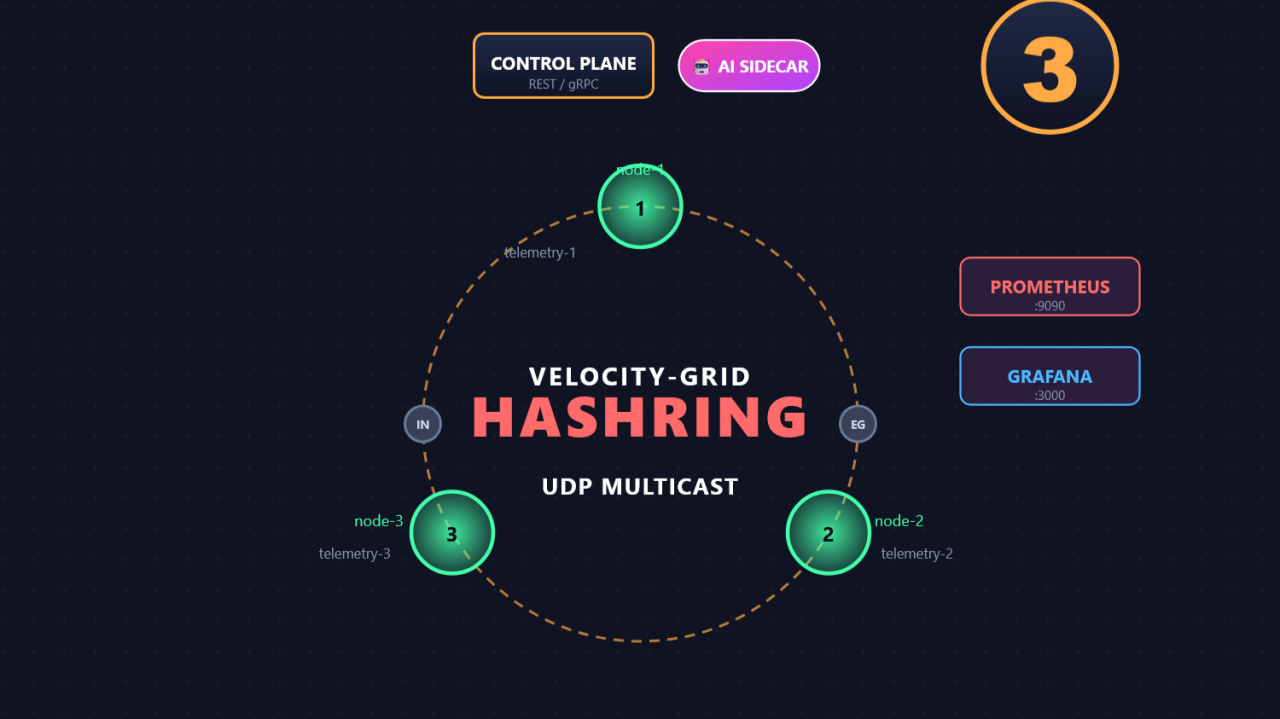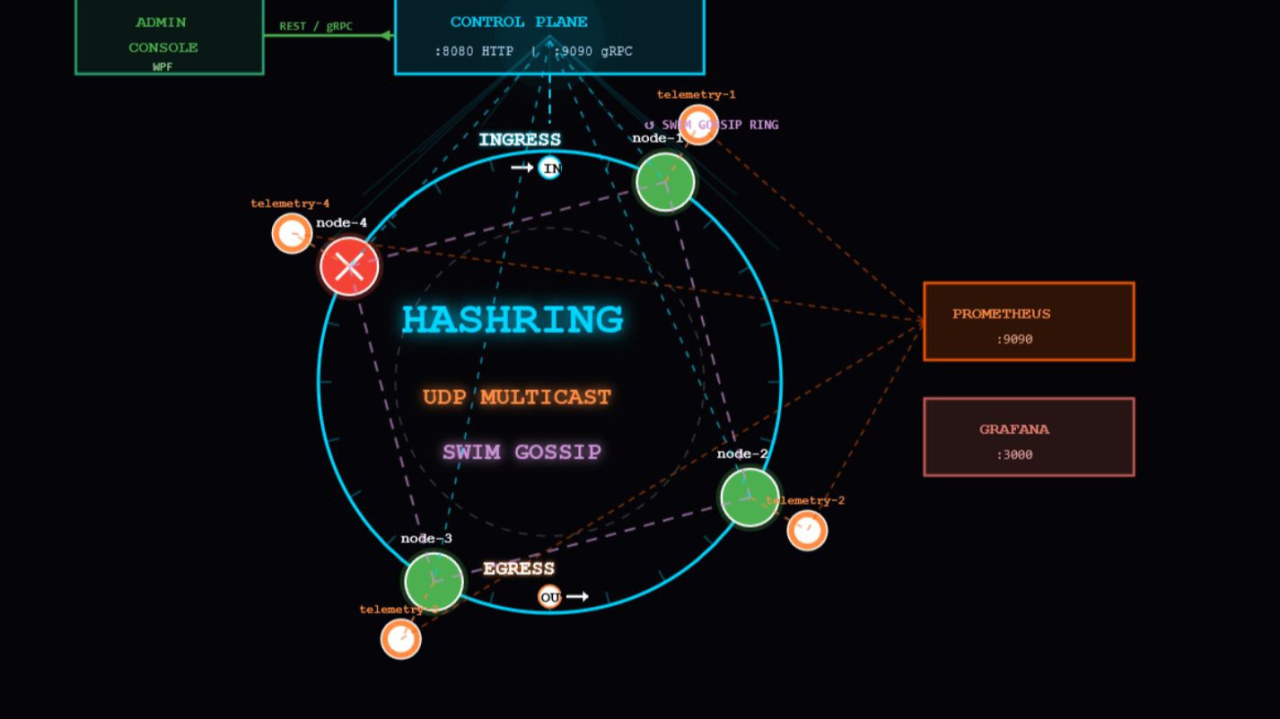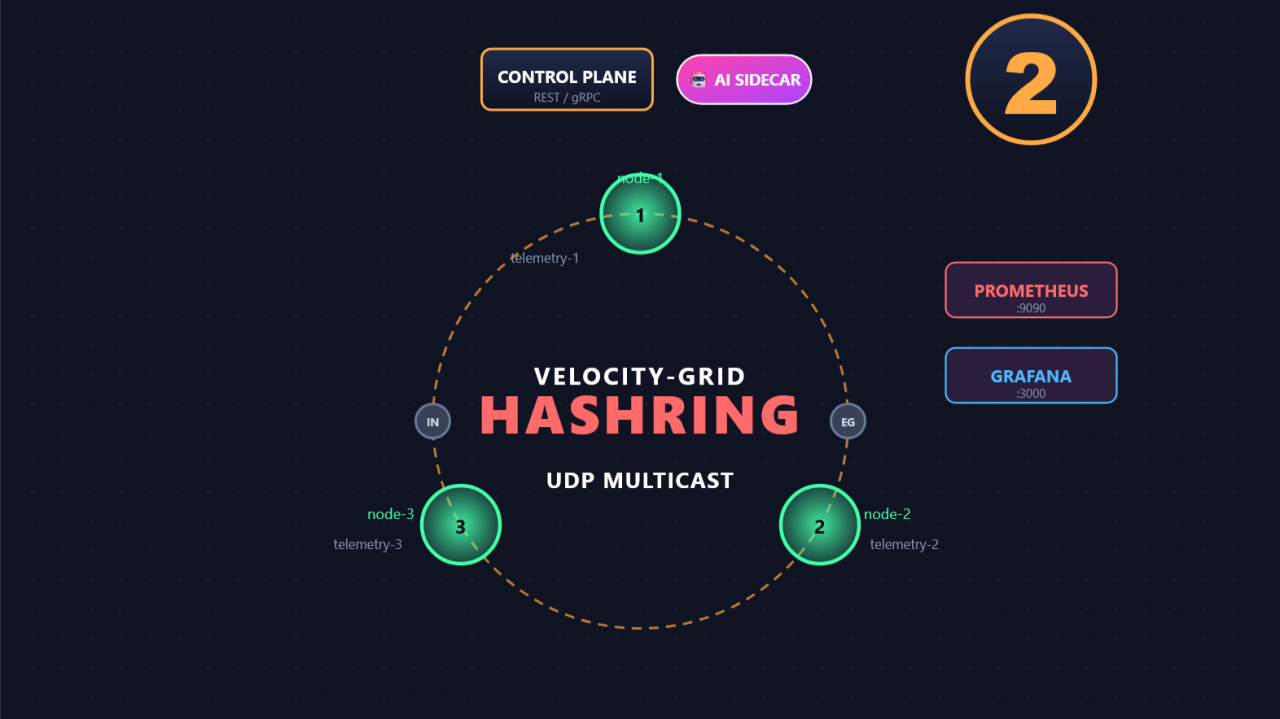
Article 2: Achieving ultra‑low latency on the hot path
📌 This is Article 2 of my newsletter series: Building a sub‑ms pricer with full observability – a real‑world dev log. If you missed it, check out Article 1 on the core challenge.
Craft notes from building and shipping software.
6 pieces

📌 This is Article 2 of my newsletter series: Building a sub‑ms pricer with full observability – a real‑world dev log. If you missed it, check out Article 1 on the core challenge.

📌 This is Article 3 of my newsletter series: "Building a sub-ms pricer with full observability – a real-world dev log" In this article: Why traditional logging is a "suicide pact" for p99s. Why "We already have ELK" is a dangerous argument. The Process Boundary: Why shared heaps are a liability.

📌 This is Article 1 of my newsletter series: "Building a sub‑ms pricer with full observability – a real‑world dev log" Next articles: achieving ultra-low latency on the hot path, latency‑free metrics, auto-healing cluster, the AI in the loop, and the code release - try it yourself.

Recently, I’ve gained a lot of interest in Java Spring Boot. My background is mainly C# and Microsoft technologies, but the last time I wrote Java was a decade ago. I decided it was time to dust off those skills and see what the ecosystem looks like today.

In software development, reading is easy; writing is hard. We spend hours navigating existing codebases. We can trace execution paths, understand dependencies, and debug complex issues. But when faced with a blank file and a complex problem, many of us freeze.

Back in 2015, I was a big believer in Test-Driven Development (TDD). I followed the "Red-Green-Refactor" cycle religiously: write a failing test, write the minimum code to pass it, then refactor the code; and repeat. I inspired (I hope so) and annoyed countless people with TDD concepts and rituals.